
Blog
Why First Pressing Vinyl Matters , understanding the labels and codes

Angel vs Odeon Vinyl Pressings Explained
Double Ring, Label Codes & Why First Pressing Vinyl Matters
Learn how to identify Angel and Odeon vinyl pressings, understand double ring labels, codes like 3AEX, MOCE, and why first pressings are valuable for collectors.
Labels like Angel and Odeon, physical traits like the double ring, and matrix series such as 3AEX, S/MOCE, and D/MOCE reveal a record’s origin, authenticity, and value.
At GROOVE STORIES, we decode these details for collectors who want more than just sound.We often came across catalogue numbers like 3AEX, MOCE, and more. I found myself wondering what they actually meant — so here’s the answer.
Angel and Odeon Pressings
Angel Pressing (HMV / EMI India)
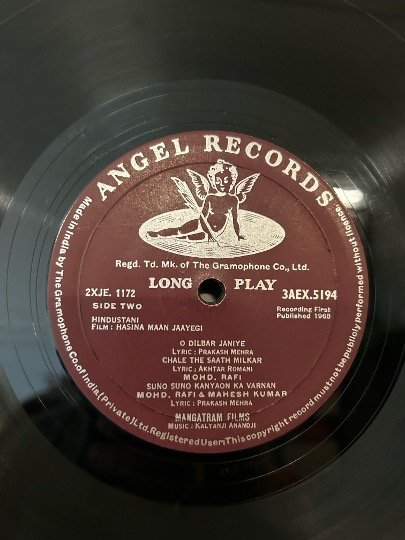
- Primarily used for classical and premium recordings
- Known for balanced EQ and refined mastering
- Often associated with higher-quality press runs
Why collectors prefer it:
- Smooth highs
- Clean midrange
- Better overall tonal balance
*don’t get confused with records having Small Angel logo.

Odeon Pressing (EMI / Odeon Label)
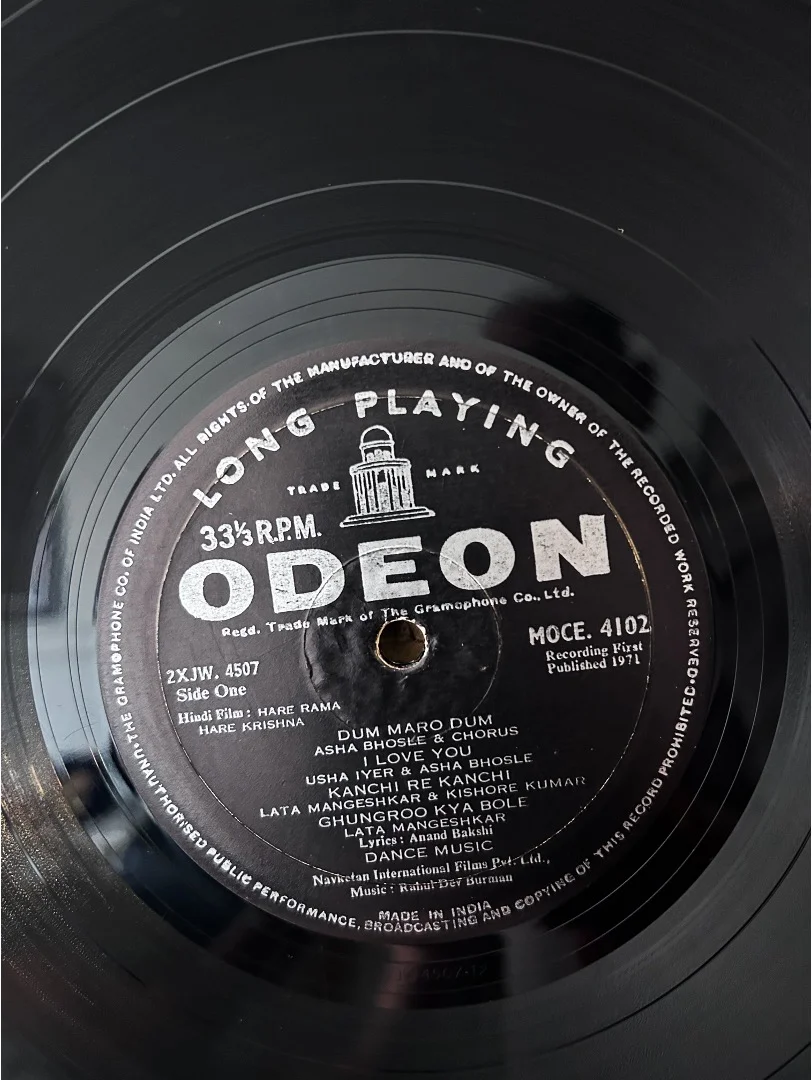
- Used for popular music (Bollywood, global releases)
- Strong presence in Indian and European pressings
- Known for forward vocals and musical punch
Why collectors value it:
- Warm vocal presentation
- Strong midrange energy
- Historical significance
What Is the Double Ring in Vinyl?
One of the most important visual identifiers in vintage vinyl records.
Double Ring Definition:
- Two circular indentations around the center label
- Formed during the pressing process
- Common in 1960s–1970s pressings
Why It Matters:
- Indicates early pressing techniques
- Suggests original or early stampers
- Often linked with first or near-first pressings
A clear double ring is a strong indicator of authentic vintage vinyl.
Label Codes Explained (3AEX, S/MOCE, D/MOCE)
3AEX Series
- Found on early Angel / Odeon pressings
- “AEX” typically denotes mono recordings , While not officially confirmed, collectors generally interpret:
- A → EMI series identifier
- EX → Internal mastering / export / catalogue coding
- “3” indicate series or regional coding (India/EMI system)
- Seen on Indian releases
D/MOCE Series
- “D” indicates the reprocessed sound
- Typically slightly later than earliest runs
Still analogue and collectible, often more affordable than earliest cuts.
S/MOCE Series
- “MOCE” linked to Mono Odeon Cut Export
- “S” indicate stereo series
Used in:
- Indian pressings
- Export editions
Transitional pressings — valuable for both rarity and sound
Why First Pressing Vinyl Is Superior
Key Advantages:
1. Closest to Original Master Tape
- Minimal generational loss
- Pure analogue signal
2. Better Sound Quality
- Early stampers = sharper groove detail
- Improved clarity and dynamics
3. Authentic Mastering
- Reflects original studio intent
- No later alterations or remastering
4. Higher Collector Value
- Limited supply
- Increasing demand
What Makes a Vinyl Record Valuable?
A high-value collectible typically includes:
- Original Angel or Odeon label
- Visible double ring
- Early matrix numbers (low suffix)
- Good condition
These elements together define true collector-grade vinyl.
GROOVE STORIES Insight
A vinyl record is more than what you hear.
It reveals itself through:
- Labels
- Grooves
- Pressing marks
- Matrix inscriptions
Understanding these transforms collecting into expertise.
Final Thought:
Anyone can buy a record.
A collector learns to read it.
They are not just records —
they are reference copies of history.


